


Queen Elizabeth National Park
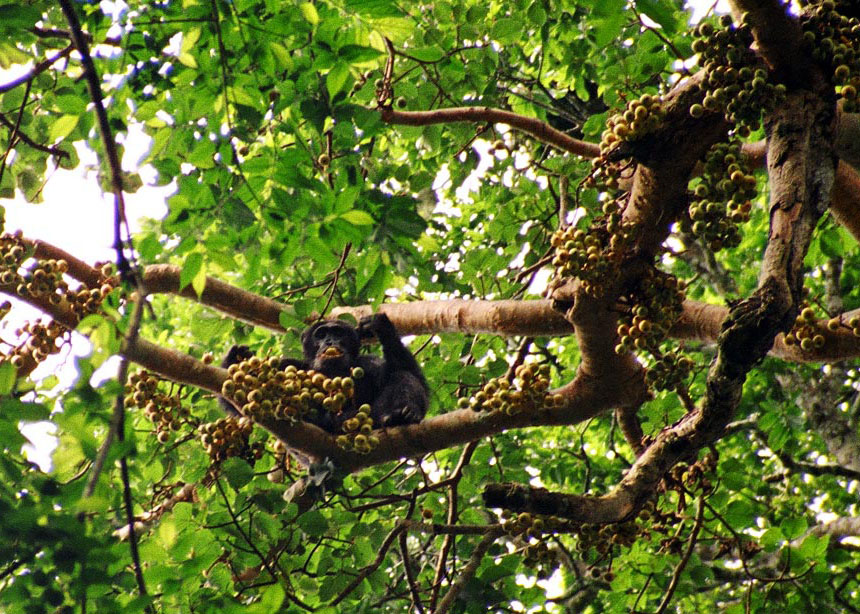
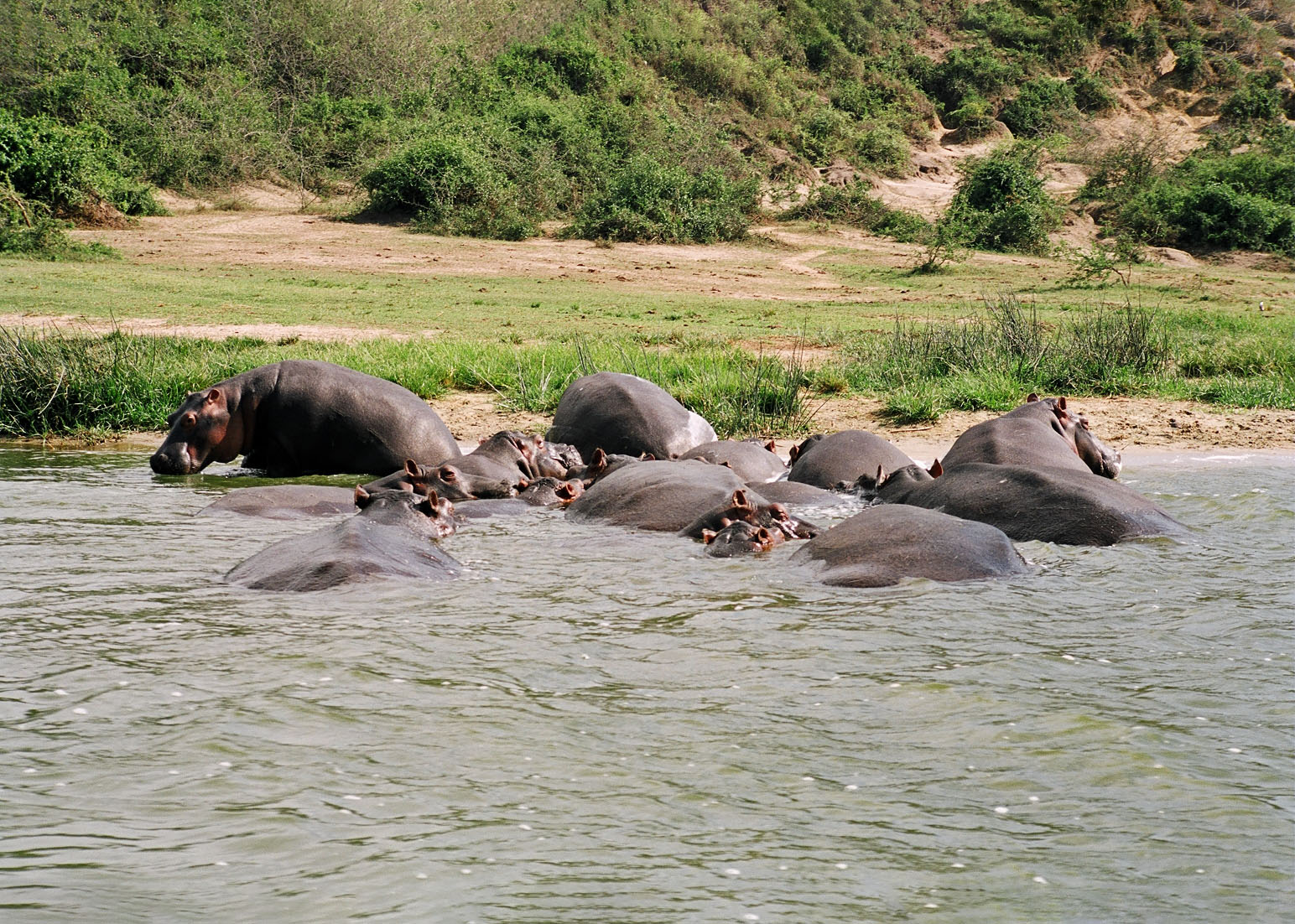
QENP occupies an estimated 1,978 square kilometres (764 sq mi). The park is known for its abundant wildlife, including African elephant, African buffalo, Ugandan kob, hippopotamus, topi, waterbuck, warthog, giant forest hog, Nile crocodile, leopard, spotted hyena, chimpanzee and lion. Overall, the park is home to 95 mammal species and over 600 bird species. The area around Ishasha in Rukungiri District is famous for its tree-climbing lions, whose males often sport black manes. In 2020, Uganda Wildlife Authority executive director Samuel John Mwandha stated that the wildlife in park has been increasing in the last five years.
QENP, together with the adjacent Virunga National Park, was designated as a 'lion conservation unit' by the IUCN in 2006. The area is also considered a potential lion stronghold in Central Africa, if poaching is curbed and prey species are allowed to recover. The resident lion population (including hyenas and leopards) are actively monitored by the Uganda Carnivore Program and the Uganda Wildlife Authority through the use of radio collars and other conservation initiatives.
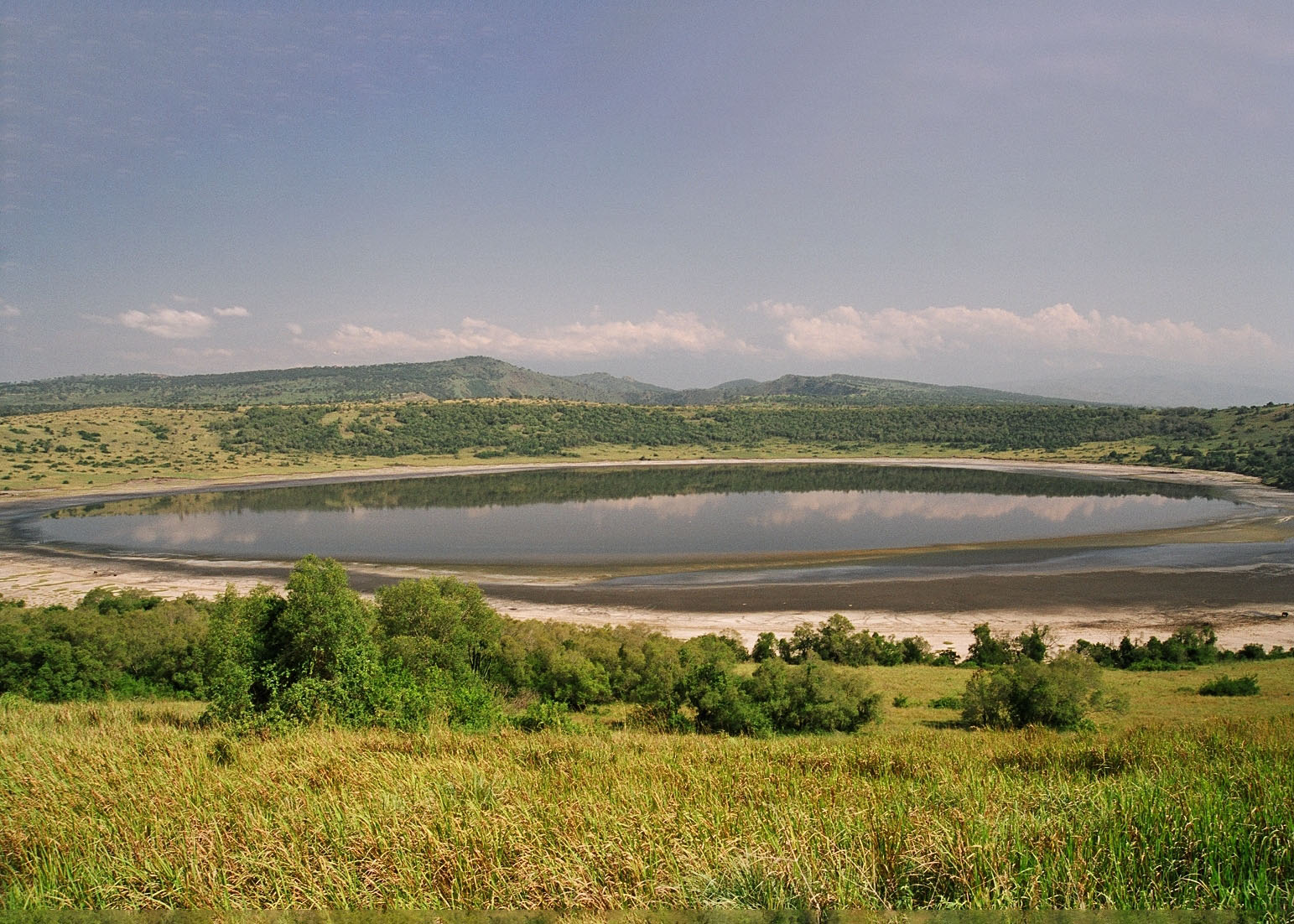
The park is also famous for its volcanic features, including volcanic cones and deep craters, many with crater lakes, such as the Katwe craters, from which salt is extracted.


